The short answer
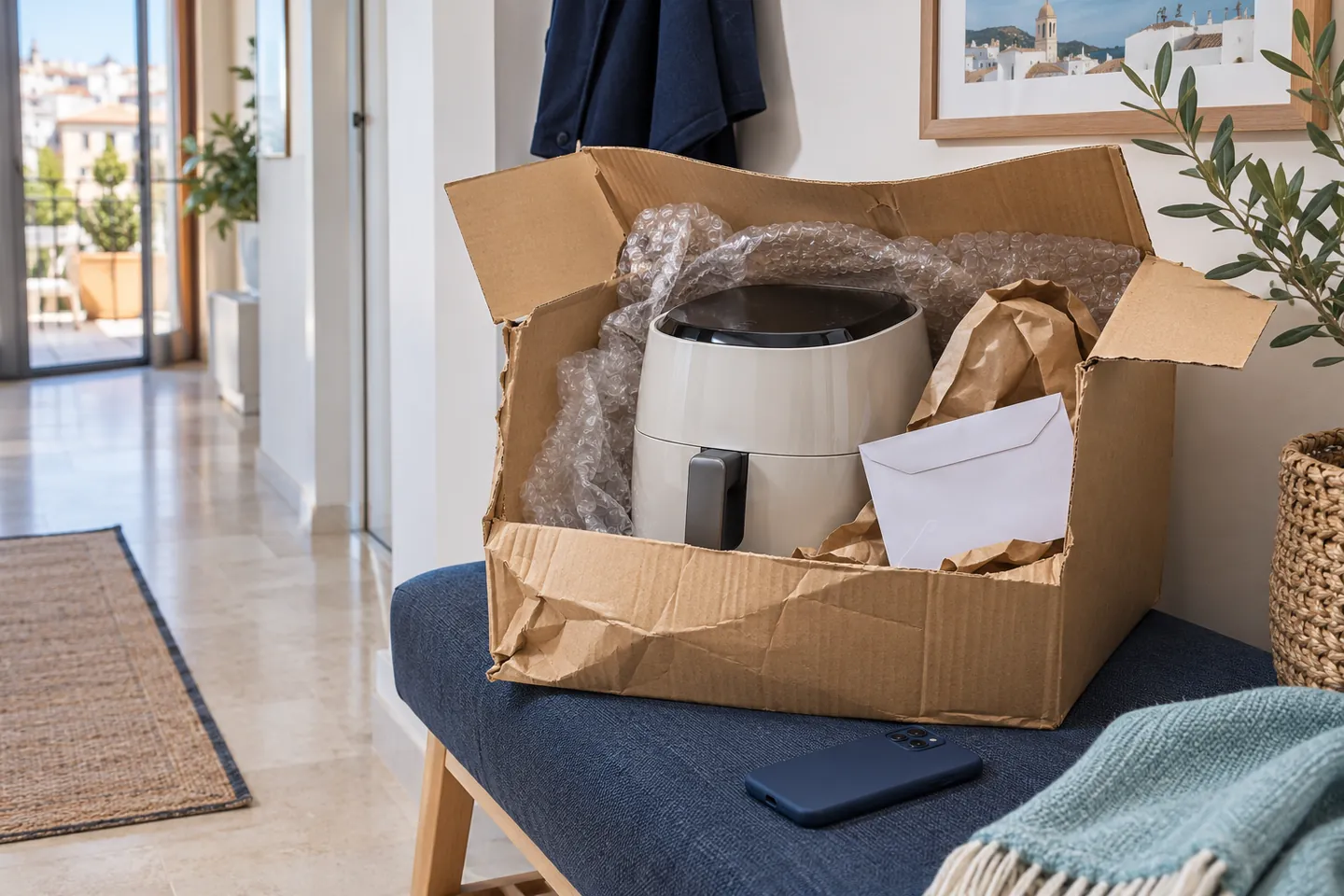
Contact the bank and platform promptly through verified channels, preserve evidence and explain exactly what you authorised. Recovery is not guaranteed for every payment.
- HTTPS alone does not establish that an online shop is genuine.
- Non-delivery after an authorised purchase differs from an unauthorised payment.
- Do not send more money to unlock a supposedly withheld refund.
Establish who is behind the offer
Before paying, look for the seller’s identity, contact details, delivery terms and refund conditions. Check the complete website address and whether the business is represented consistently elsewhere. INCIBE warns that a fraudulent page can hold a valid certificate: a padlock does not replace these checks. Unusually low prices, pressure to decide and requests to leave a platform are reasons to pause. Reviews can also be manipulated. Assess several independent signs instead of treating one favourable rating or a familiar-looking visual design as proof that a seller is genuine.
Stay within the established purchase process
Read the payment system’s terms and what protection actually covers this transaction. A seller may direct you to a link impersonating a checkout or request a transfer to another account. Do not enter banking credentials through unexpected messages or give confirmation codes to someone claiming to arrange delivery. Check the amount and recipient before authorising. Using a recognised payment method can reduce certain uncertainties, but it does not establish that the product exists or guarantee a refund when a dispute arises. Know which company receives and handles your payment.
Describe what you authorised and what you do not recognise
Establish whether you confirmed a purchase, the seller failed to deliver, a different amount was charged or transactions appeared that you never made. Banco de España distinguishes complaints about authorised purchases from unrecognised-payment claims. Do not reshape events to fit a presumed protection: provide dates, facts and the instructions you received. The institution needs to assess the relevant circumstances. A code, open app or isolated screenshot does not allow this guide to decide authorisation, responsibility or entitlement to repayment. Those conclusions require investigation of the actual transaction.
Limit the risk of further payments
Use your bank’s established app or call an official number you have independently checked. Describe the incident and follow instructions to protect the affected card, account or access. If passwords were disclosed, review other services using the same password and protect email access too. Avoid recovery links demanding another payment. Record when you notified the institution and the incident reference. Acting promptly helps manage the risk but does not guarantee recovery of money already sent. It also gives the bank a clearer timeline for examining any subsequent transactions or attempted activity.
Example: two problems involving the same amount
Educational example: in one case, you order shoes for €80, authorise payment and the shop disappears. In another, an €80 charge appears from a shop where you never bought anything. The amount matches, but the complaint concerns different events. Preserve evidence and contact the institution in both cases. Explain the order, failed delivery and communications in the first, and why you do not recognise the operation in the second. Do not assume identical treatment or an automatic refund merely because the financial loss is the same.
Keep an evidence file others can understand
Retain the URL, advertiser identity, visible terms, order confirmation, payment record and relevant messages. Screenshots are useful alongside downloadable documents and transaction references. Tell the platform what happened and request its complaint process. Where appropriate, make a police report with organised information and retain the acknowledgement. Avoid posting full card numbers or other people’s identity documents when seeking help publicly. A chronological summary lets the bank, platform and competent authorities understand the problem more efficiently, while preserving the distinction between what you observed and what you only suspect happened.
Use the appropriate formal complaint channel
If the problem remains unresolved, request a written response and the formal complaint process of the responsible institution or business. Further steps depend on the payment type, seller and place of establishment. Ask about applicable deadlines rather than waiting indefinitely for informal promises from the apparent seller. Monitor transactions and alerts while the matter is investigated. This page explains initial actions and relevant questions; it does not decide the legal outcome or promise that a bank can reverse every payment. Keep reference numbers and responses together as the case develops.
Before your next step
- Keep the listing, order, messages, website address and payment evidence.
- Use the bank’s official app or verified telephone number.
- Protect or block a payment method when its details have been exposed.
- Report the incident to the platform and consider the appropriate police report.
Sources and review
GetPréstamos · Editorial review. Sources consulted: .
- INCIBE — Comprobar una plataforma de compraventa
- Banco de España — Compra autorizada y producto no recibido
- Banco de España — Cargos de tarjeta no reconocidos
Educational information, without an offer or personalised advice. Examples are hypothetical and are not a provider’s terms.
Continue exploring
Accepting online payments: fees, settlement and refunds
Read article →
Christmas without unexpected debt: planning purchases and payments
Read article →